Content Strategist · 15+ years · Tourism, beauty, entertainment & B2B
Stories that sell. Systems that scale.
Fifteen years of building content and marketing systems that sell — in tourism, luxury beauty, entertainment and international B2B. Here is what that looked like, and what it delivered.

EXPERIENCE
My career path.
Marketing Manager
Marketing Manager
Marketing Director
Marketing Director
Results
A career in numbers.
APPROACH
How I make content pay for itself.
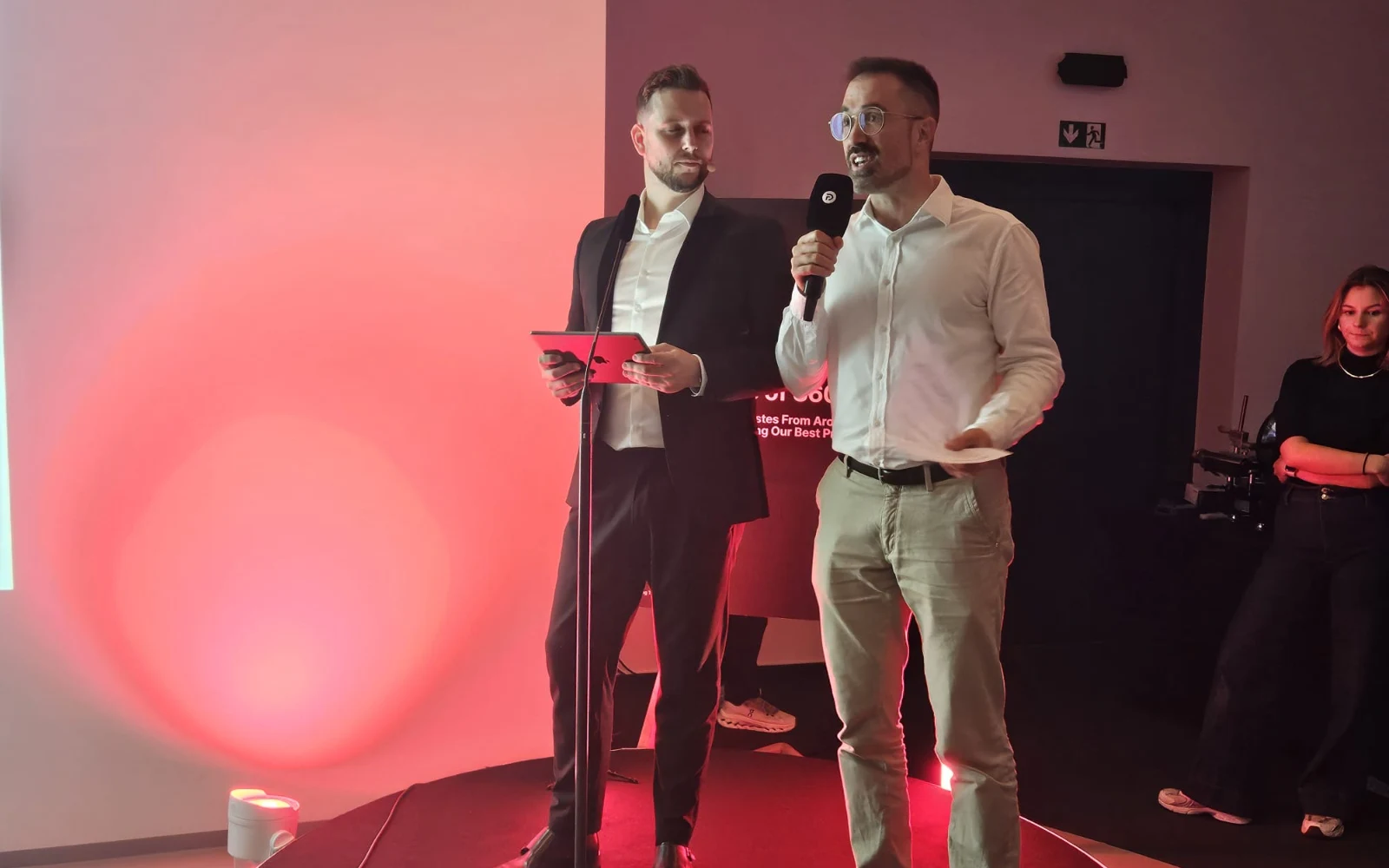
I have built and led teams of 3 to 9 people plus freelancers and agencies: marketing and sales at WOOP!, the digital team at L'Oréal in London, and the in-house production team at 360 Karting — top-tier output on a limited budget.
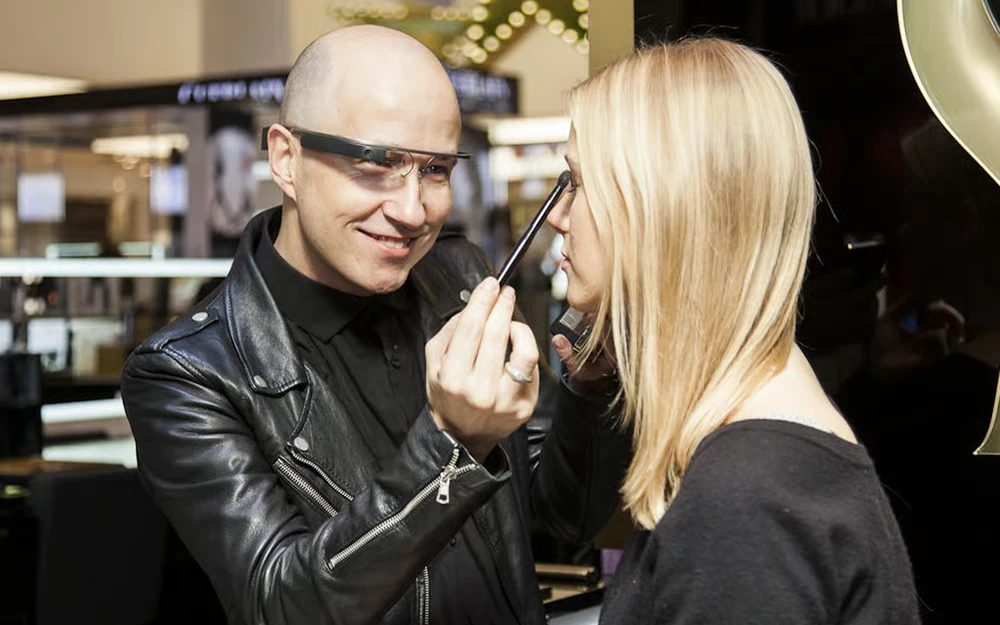
At WOOP! the path ran from ad to automatic RFID entry into the park. At L'Oréal, a social media system per point of sale, a full digital funnel and Google Glass makeup tutorials. At 360 Karting, a solution-selling chatbot with a complete direct-performance funnel. Content was never the end point — the sale was.
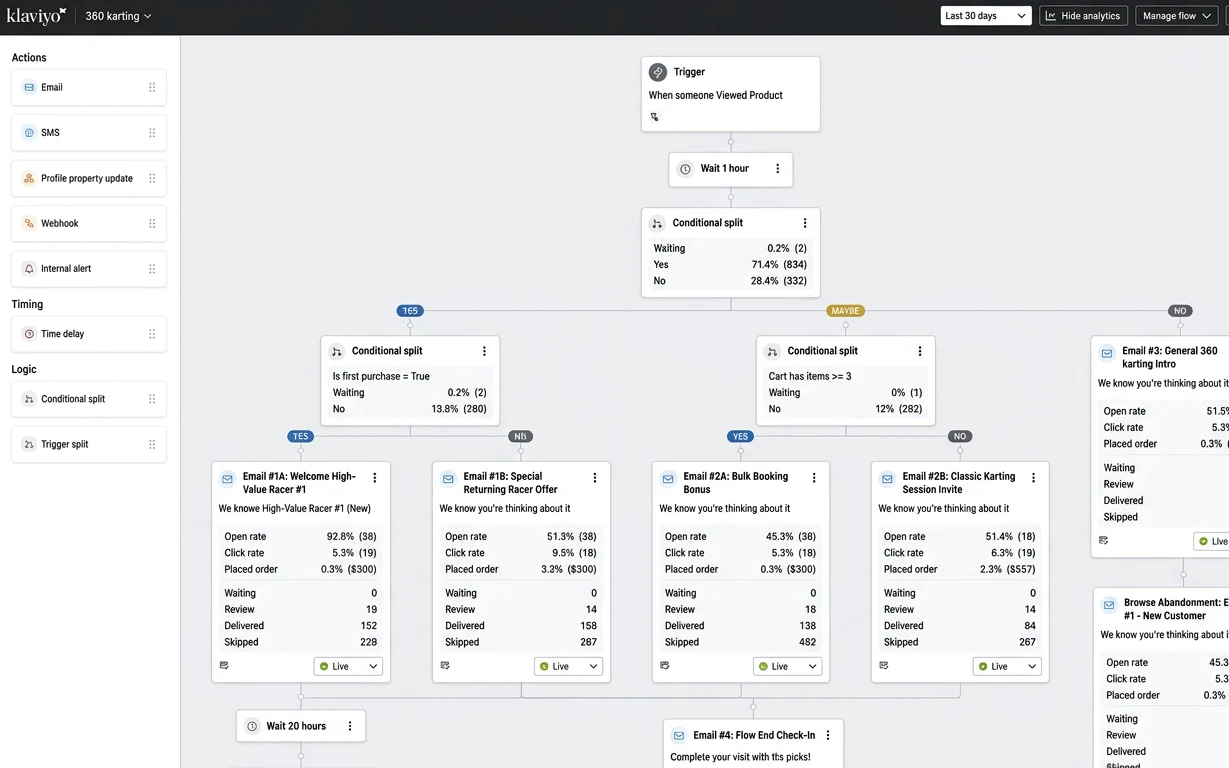
At every company I rebuilt the automation from ad to purchase, segmented by customer behaviour — the technology changes so fast that rethinking channels became routine. I have also developed my own test-and-learn methods, because traditional analytics no longer delivers reliable answers.
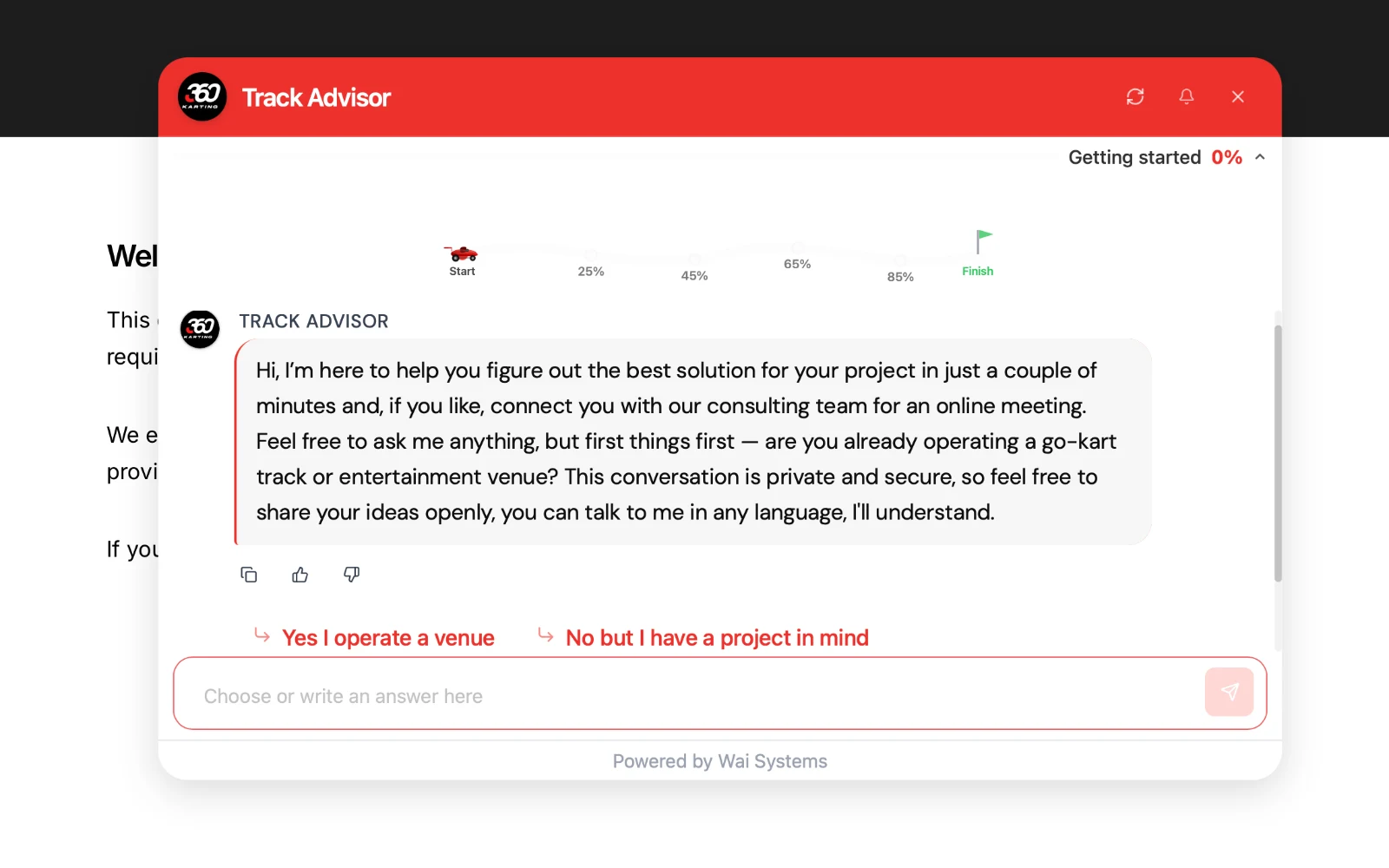
At 360 Karting I designed an AI advisory chatbot that digitises consultative selling: it teaches the buyer to think in capacity and ROI, not the price of steel — and leads to a first project estimate. Profiling connects to Microsoft Dynamics, GA4, Adobe Journey Optimizer and BI reporting.
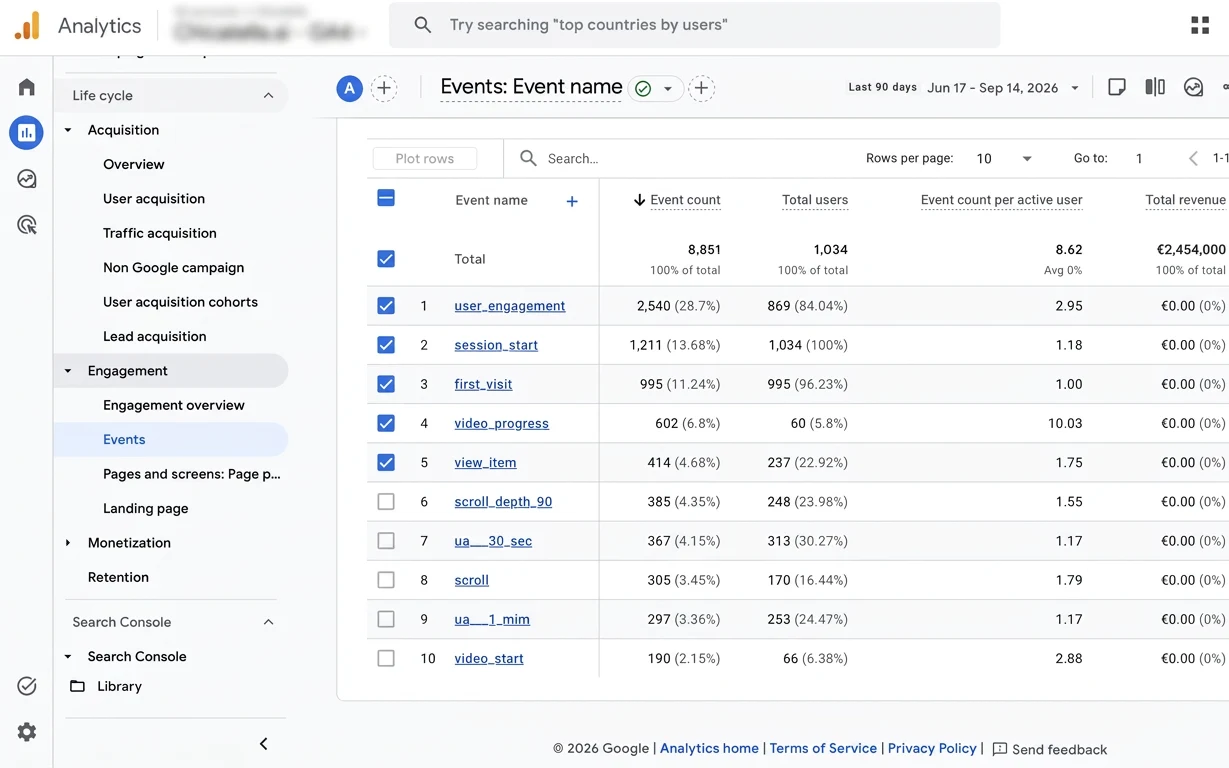
As the person responsible for a company's sales, I live off the funnel: CAC, conversion, retention, margin, cash flow. So I set content KPIs to measure revenue, not reach.
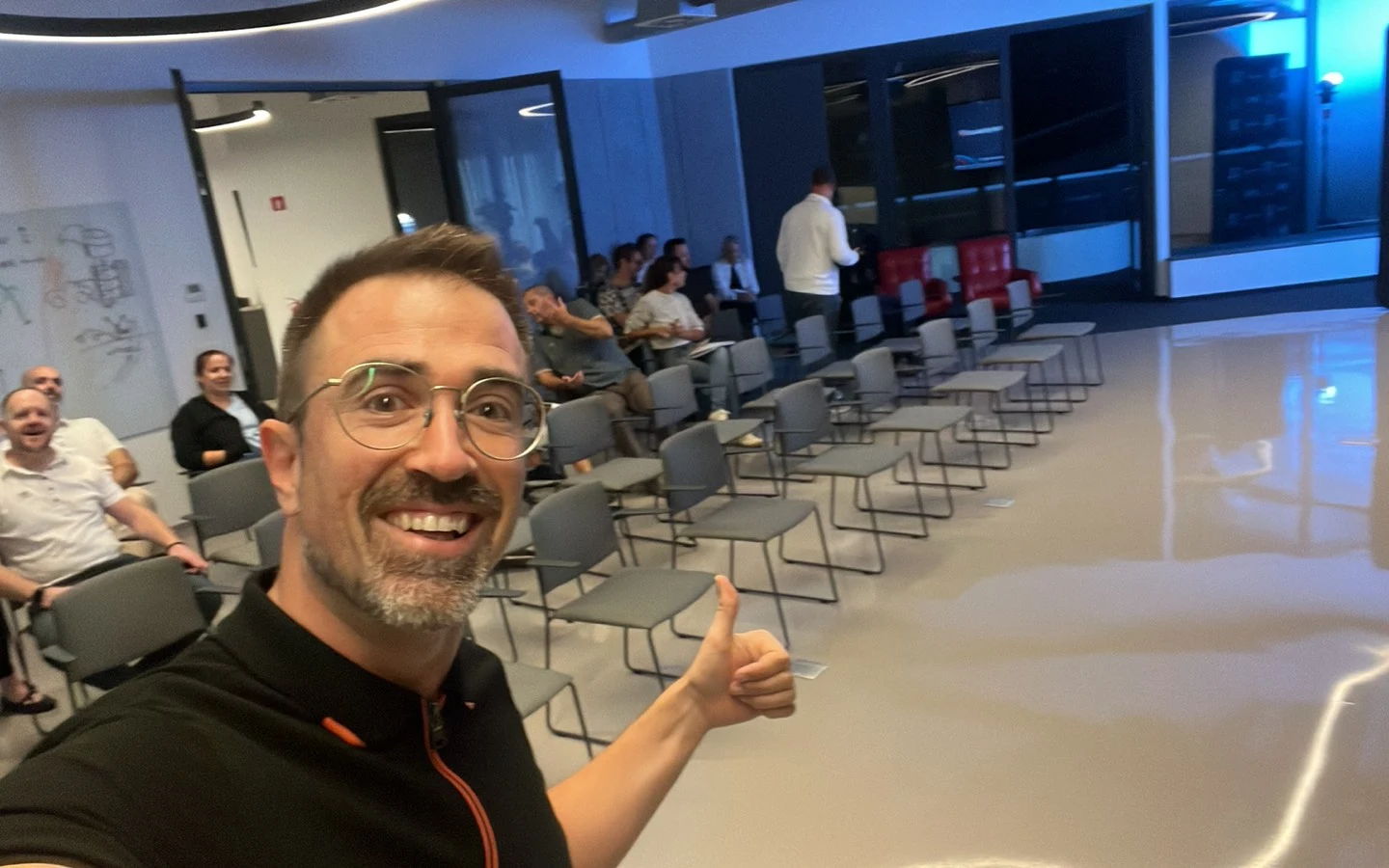
I have hired and led technical specialists: POS systems, RFID, digital waivers, booking systems, online stores, automations. I am technically skilled and speak the developers' language — I build my own websites and tools.
SYSTEMS
Digital systems.
I connect fragmented channels, content, data and technology into measurable systems that sell.
Empty or overbooked tour seats, and distribution fragmented between hotels, tourist offices, our own website and agencies.
One booking system, with discount codes sent automatically.
Guests booked on the website, while hotels, tourist offices and agencies had access to the same system — everyone could book and pay live, or simply reserve for their guests.
Every guest automatically received a confirmation email with a ticket, followed by automated messages tailored to their age — with discount codes for relevant restaurants and shops along the route. Redeemed codes let us track purchases and earn a commission on each.
Physical points of sale and the digital system were separate worlds.
Point of sale connected to email/SMS automation, personas and ads.
Counters were not connected to any digital system, so we built one: at purchase, the receipt was scanned and attached to the client's email and phone number. Her digital persona took shape in our own backend, so campaigns could be automated to her preferences — creative content, an invitation back to the store when the product was due to run out, and birthday discount codes.
The persona was connected to social media, so on Facebook and Instagram she saw what she actually liked. As a PR layer we introduced Google Glass tutorials: after a makeover at the counter, the client received the recording by email, with the products used and links to buy online. For selected groups we also hosted physical events.
Build and digitise an entertainment centre with our own hardware and software.
RFID wristband entry, digital profiles and an in-house BI system, all tied to the POS.
We sourced an RFID wristband and access-control hardware supplier in China, and in Slovenia a team to build a POS system with tax-certified online receipts and a digital liability waiver. Everything was connected to a website with a booking system. A visitor bought a ticket and booked a slot online; the purchase transferred to their RFID wristband. They entered the park without queuing — and the wristband only activated once they had watched the safety video.
Every entry was logged to a digital profile: visitors earned rewards by number of visits — from golden jump socks to wristbands and free jumps. Because we knew who was behind each profile (a child on dad's email, a teenager on their own), we targeted precisely via email, SMS, YouTube, Facebook and Instagram. Our own business intelligence system tracked sales, occupancy, margin and park capacity live.
Buyers compared the "price of steel" instead of the return on the business.
An AI advisor, connected to CRM and BI, that recognises serious buyers.
We programmed an AI chatbot that assesses the potential of the buyer's venture: what experience they want to build, with which business model, and in which country and city — location determines competition, achievable prices, volume, costs and margins. On that basis it delivers an estimate and, above all, teaches the buyer that karting is an anchor attraction that lifts the whole business.
The chatbot was connected to Microsoft Dynamics CRM, email automation and the B2Bi (BeTerna) BI system. Separating serious buyers from the merely curious with a questionnaire had been impossible — here we saw immediately who knew what they wanted and had the budget.
STORIES
Creative that sells.
Three cases where creative was not decoration but the sales system itself.
Hired influencers were becoming less effective and harder to coordinate.
Employed makeup artists as ambassadors of their own counters.
Makeup artists at major points of sale — Harrods, Selfridges, Fenwick and others — became ambassadors of their counters. In an in-house influencer school we taught them content production, which they published on the social channels of selected stores.
The same artists recorded videos in the studio at head office for the automation: a client who bought a specific product received content by email or SMS on how to use it, then an invitation to a makeup party or back to the counter.
Organic reach was shrinking and paid reach was getting ever more expensive.
A viral story that built a fanatical community and exceptional profitability.
We hired our own influencer full-time and, together with Dunking Devils, produced content that reached millions of organic views. We also built our own production team to shoot viral ads for partner brands — OMW, Coca-Cola, Dormeo and more. Above all, we created a community that became fiercely loyal to our story and vision.
An engineering company was competing on price and losing projects.
Marketing communication focused on the investor's potential earnings.
We packaged the company's complex features and benefits into a high-production story a buyer understands instantly. Instead of talking about components and their specifications, we steered the story toward finance — presenting the whole offer as an investment opportunity and ending the competition on the price of steel and plastic alone.
THE BIGGER PICTURE
Strategy that moves companies.
Two shifts that changed how 360 Karting operates and how it stands on the world stage.
Through rapid growth, employees no longer knew what the company really sold — and the buyer felt it at every step.
Introducing solution selling across the entire company.
Buyers meet every department, so every employee must understand what the company really sells. We developed an internal academy that teaches that a person's role is not just to do the job, but to help the customer solve their challenge.
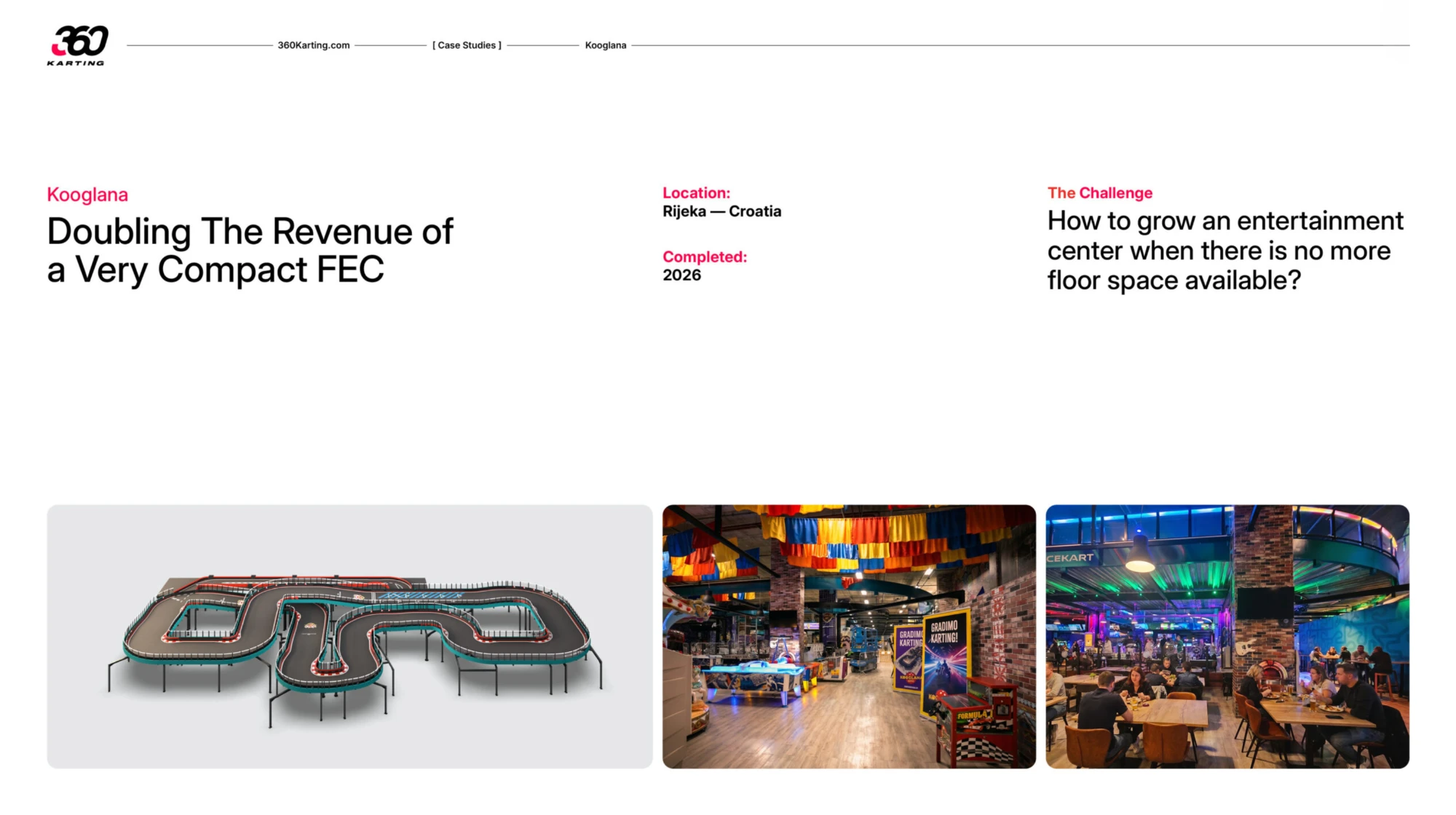
The companies in the holding did not want to appear as a group.
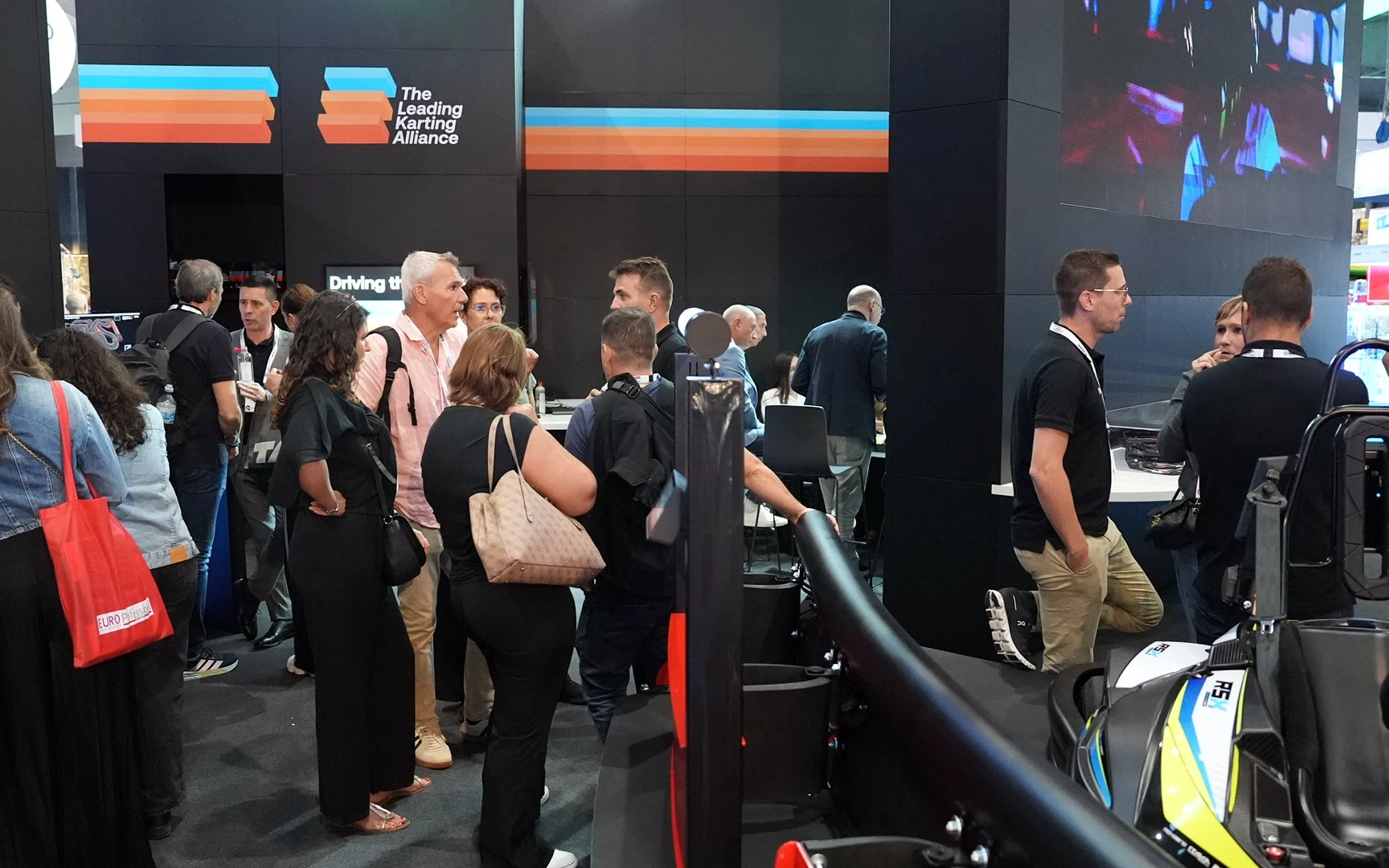
An alliance instead of a group — The Leading Karting Alliance.
We connected 360 Karting, Apex Timing and Sodikart into the leading karting alliance: a shared design and a carefully planned and executed integration process across all entities and their departments.
Appearing as a group was not possible given how the individual companies operate. So we created an alliance, which allows each company to keep operating freely.
The alliance also means appearing on the world stage as one — and with it, entry into the league of the biggest deals in the entertainment industry.
CV
Education & skills.
Burgundy School of Business, Dijon
Sapienza Università di Roma
2003–2007
YouTube Certified, 2014
Columnist, Manager magazine, 2015
Brand storytelling & copywriting
Video production & creator programmes
Social media & community building
Marketing automation & personalisation
Analytics, KPIs & test-and-learn
SEO, SEM & performance marketing
Solution selling & team leadership
ChatGPT & Codex
Gemini & NanoBanana
AI agents & automations
Midjourney & Magnific
ElevenLabs & HeyGen
Vibe coding: Vercel & GitHub
Outlook, Excel, PowerPoint & Word
Klaviyo & Mailchimp & Brevo
Facebook, Google & TikTok Ads
Google Analytics, Ahrefs & Hotjar
HTML, WordPress & Shopify
Adobe Suite, Figma & Canva
English — native level
Italian — fluent
Serbo-Croatian — conversational